

https://www.nytimes.com/2026/08/01/climate/trump-arctic-ships.html?smid=url-share
The Serendipity Dinghy

by Len Warren
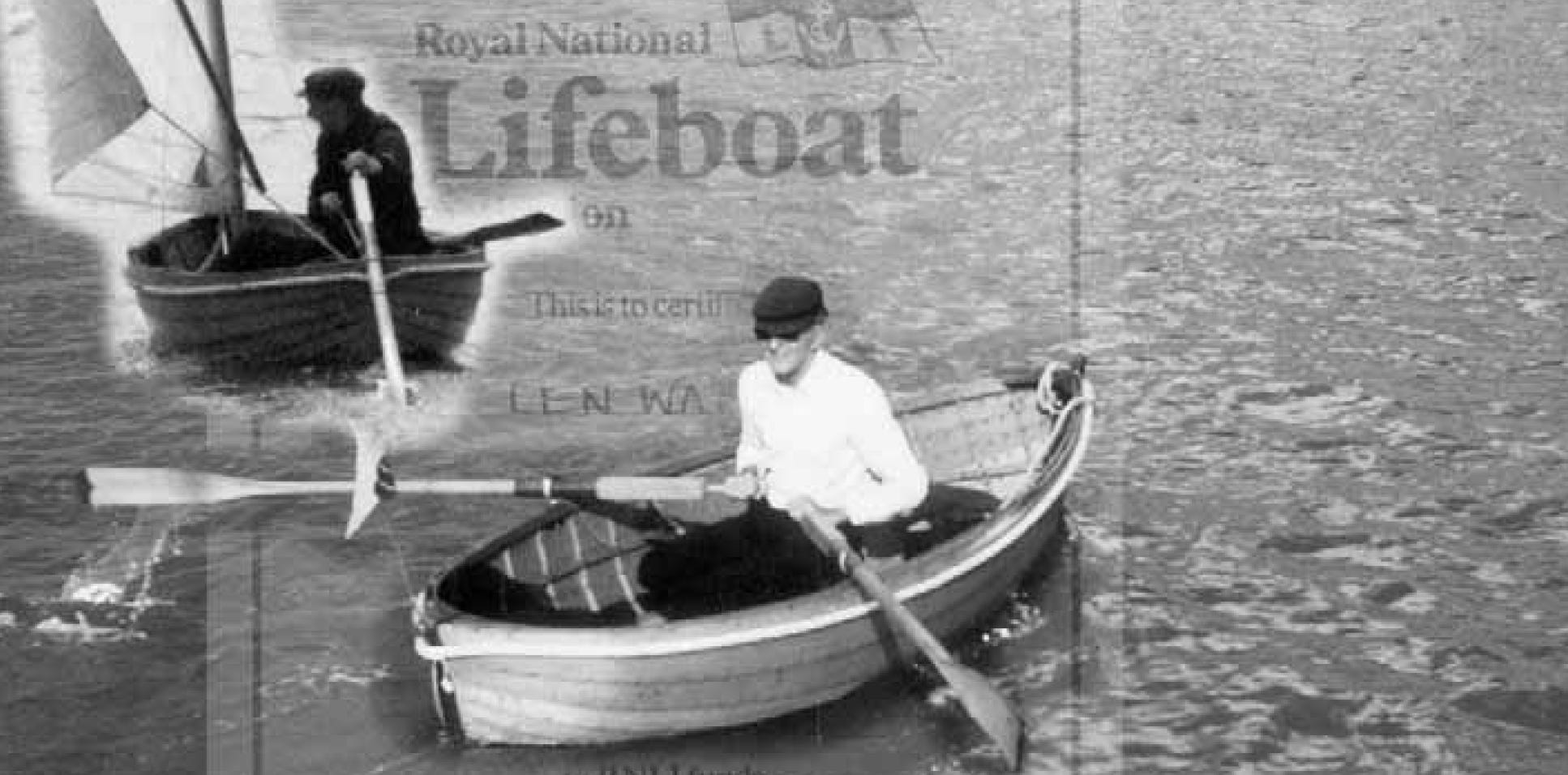
Every year I entered a 10-mile sponsored row for our Royal National Lifeboat Institution charity. In my transom-stern dinghy it was becoming hard going. Then, in 1985, when I retired (at 65) I remembered seeing a lovely little 10-foot roundstern dinghy at the 1952 Festival of Britain, built by Mr. Ewing McGruer Sr. of the world-famous yacht builders of Scotland, and decided to build a smaller version. With no transom to drag in the water it had to be winner.
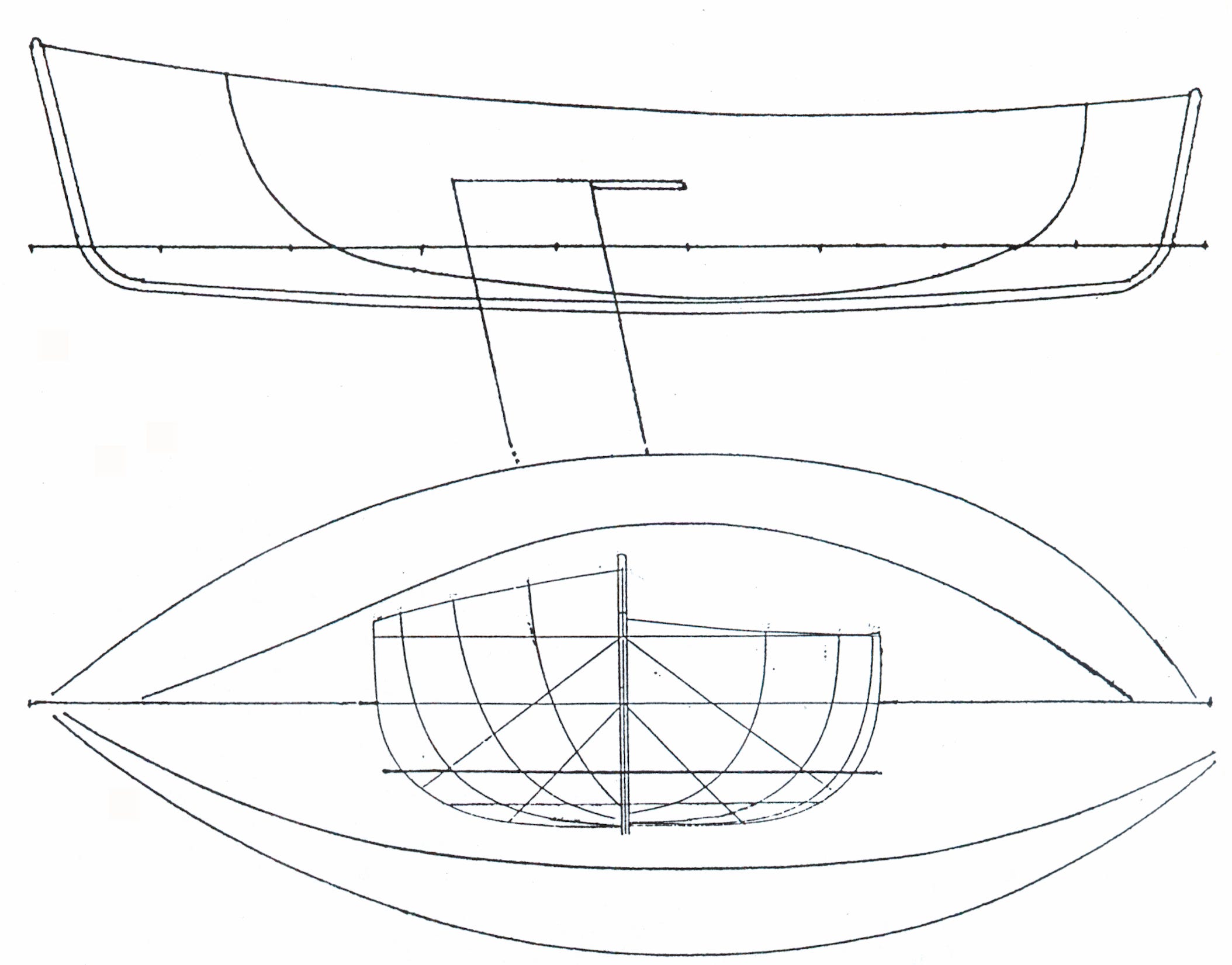
Building with a transom, each strake is fitted to the stem then run past back the transom and the excess sawn off. With the round-stern, each strake has to be fitted to the forward stem and the run back and fitted to the stern stem requiring twice as much effort—no wonder they are so much more expensive.
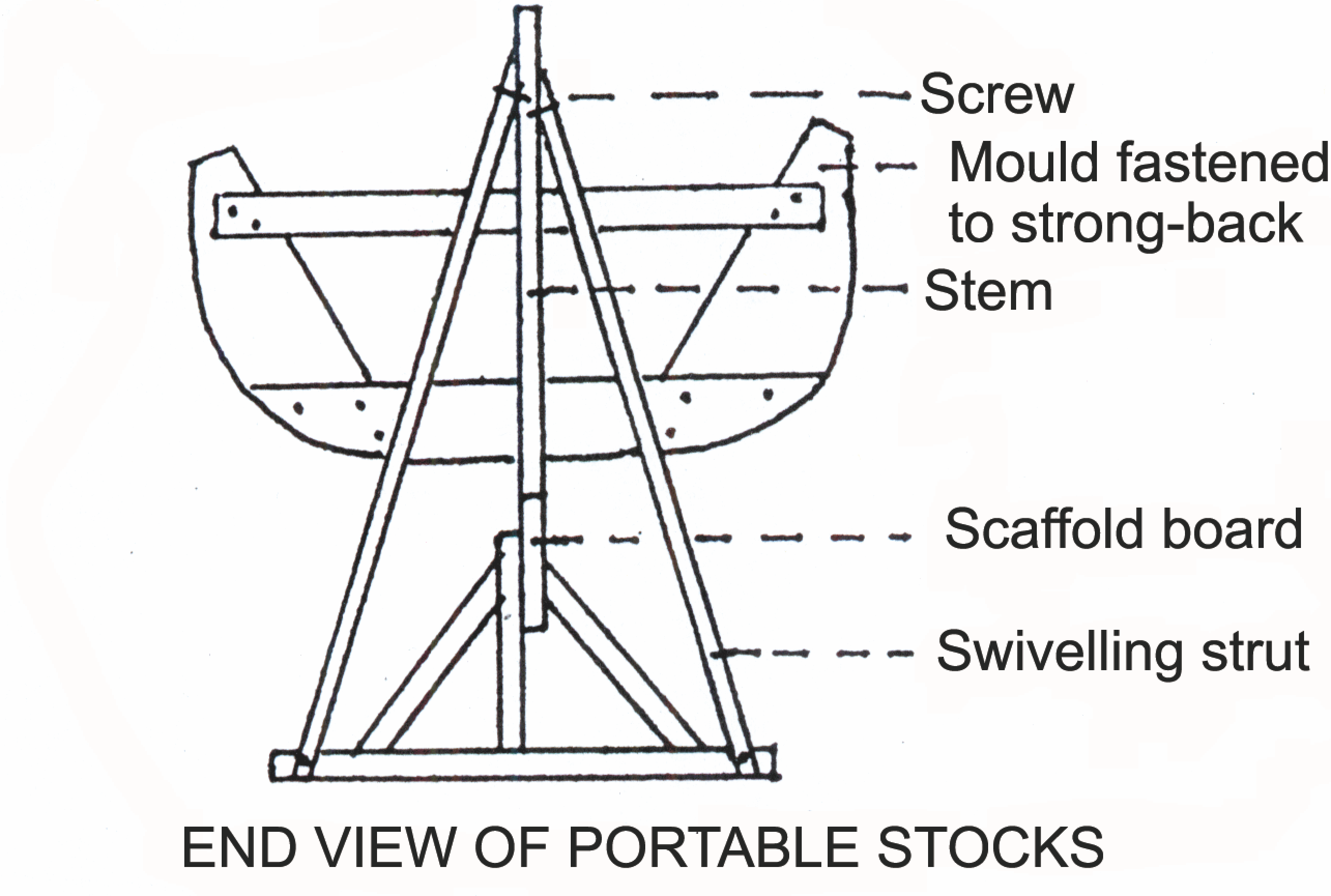
With the help of Howard I. Chappelle, I drew out a set of lines for a 9-foot round-stern clinker-built dinghy. I built it in the backyard in London in a dilapidated shed. The guttering was inside to catch roof leaks, and one side was a plastic sheet—ideal for instant expansion of floor space. The stocks were free-standing and portable so they could be moved around to gain working room in the 10 x 8 foot shed.
<iframe width="560" height="315" src="https://www.youtube.com/embed/V_Df39PjkwA?si=RRgC46peOhe79sc2" title="YouTube video player" frameborder="0" allow="accelerometer; autoplay; clipboard-write; encrypted-media; gyroscope; picture-in-picture; web-share" referrerpolicy="strict-origin-when-cross-origin" allowfullscreen></iframe>

Ted Turner has died at age 87. Founder of CNN, he was an America's Cup sailor, an environmentalist, and innovator in the broadcast world.


By Sebastian Junger
When I was young my father worked for the U.S. Government as a scientific consultant. He was one of the foremost authorities on how sound propagates underwater, and that made him very interesting to the U.S. Navy, which was trying to keep their submarines and torpedoes quieter than Russian submarines and torpedoes. The Cold War was in full swing, and the ocean basins were host to an unending game of hide-and-seek between nuclear-armed submarines. One of the main giveaways of a sub’s location is the bursting of tiny air bubbles created by a screw turning at high speed. That is called cavitation. My father helped design propellors that minimized cavitation, which made American subs almost completely silent as they prowled the oceans looking for their Russian counterparts.
Every weeknight my father would come home from work at seven or 7:30 and put his leather briefcase down by the front door. The briefcase was leather and had a brass hasp lock on the side, and I was fascinated by it because I knew it was filled with folders marked Secret or Confidential or Department of the Navy. Once I asked him what would happen if I looked inside and, deadly serious, he said, “I would have to call the FBI.”

The Loss of the Lily Jean = by Sebastian Junger
Almost 35 years ago, a long liner named the Andrea Gail out of Gloucester, Massachusetts sank in 70-foot seas without even calling a mayday. She was near the shoaling water of Sable Island – the “Graveyard of the Atlantic” – and still almost a thousand miles from home. And now another Gloucester fishing boat has been lost with all hands: Around 6:50 on the morning of January 30 of this year, a dragger named the Lily Jean was headed home from the Fippenies Bank, 60 miles east of Portland, Maine, when the Coast Guard received a distress signal from her emergency locator beacon - an Emergency Position Indicating Radio Beacon.
EPIRBS, as they are known, are designed to float free of their mount and relay the identity of a vessel and her position to within a hundred yards. That way, an SOS can be issued even if the crew doesn’t have time to radio the Coast Guard themselves. A signal from an EPIRB almost guarantees that people are in the water, and Air Station Cape Cod had a rescue helicopter in the air within minutes. The EPIRB indicated that the Lily Jean had sunk 22 miles east of Gloucester, and the Coast Guard helicopter arrived on-scene in under half an hour. They found nothing but deck gear, an empty life raft and the body of the 55-year-old captain, Gus Sanfilippo, floating in the water.
As captain, Sanfilippo would probably have been driving the boat while his crew slept in the cabins - they’d spent the last three days working almost non-stop in arctic conditions. Whatever happened at 6:50 that morning, it was so sudden and catastrophic that Sanfilippo didn’t even have time to radio for help. He made it out of the wheelhouse but apparently not to the life raft, which had inflated and shot to the surface a few yards away. The air temperature was twelve degrees and the water was 39; in those conditions, a person can lose control of his limbs and drown within minutes.

Presumably trapped inside the doomed vessel were Paul Beal, age 70, and his 35-year-old son, Paul Jr. The father was taking a few last trips with his son before retiring, and they would have been bunking together when the boat sank. Local fishermen Sean Thierren, John Rousanidis, and Freeman Short were in the other cabins. And a 22-year-old NOAA fisheries observer named Jada Samitt was also on board. Samitt graduated from the University of Vermont last year and became a fisheries observer almost immediately. KEEP READING
https://soundingsonline.com/features/pride-of-the-great-lakes/?oly_enc_id=6866I4032534D2A
The Lyman yard produced hulls from 13 to 18 feet long with outboard power courtesy of Johnson, Evinrude and Mercury. The brand’s full model line ranged from 18 to 35 feet, though only six of the 35-footers were ever built. All the models 19 feet and above were offered with inboard power, typically small block V-8s. Boats longer than 26 feet were available in sleeper cabin, enclosed wheelhouse, hardtop and open versions. The 28 and 30 could be ordered as islanders with a flybridge and stand-up head.


